Oatmeal and Arthritis — Is It Safe to Eat?
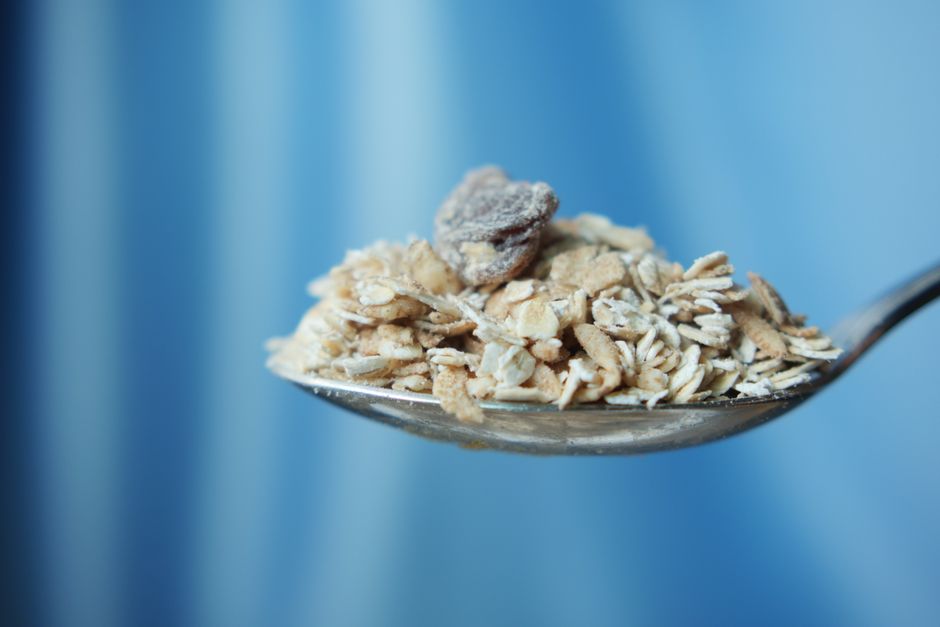 No specific data for Arthritis
 Oatmeal is low glycaemic index high soluble fibre and anti-inflammatory. For Arthritis — Both osteoarthritis and rheumatoid arthritis benefit from anti-inflammatory dietary patterns with specific foods showing strong evidence. As with all foods context portion size and overall dietary pattern matter more than any single food.
Is Oatmeal good or bad for Arthritis?
Oatmeal is low glycaemic index high soluble fibre and anti-inflammatory. For Arthritis — Both osteoarthritis and rheumatoid arthritis benefit from anti-inflammatory dietary patterns with specific foods showing strong evidence. As with all foods context portion size and overall dietary pattern matter more than any single food.
Both osteoarthritis and rheumatoid arthritis benefit from anti-inflammatory dietary patterns with specific foods showing strong evidence. When evaluating whether Oatmeal fits into a Arthritis diet it is important to consider not just the food in isolation but the overall dietary pattern portion sizes preparation methods and individual health status.
What does Oatmeal contain that affects Arthritis?
Oatmeal is low glycaemic index high soluble fibre and anti-inflammatory. It contains fibre beta-glucan magnesium and B vitamins. In the context of Arthritis — Both osteoarthritis and rheumatoid arthritis benefit from anti-inflammatory dietary patterns with specific foods showing strong evidence. — Oatmeal has no specific documented effect on this condition primarily because of its fibre content and its overall nutritional profile.
How to include Oatmeal in a Arthritis diet
When incorporating Oatmeal into a diet for Arthritis, the key considerations are portion size preparation method and frequency. Follow general healthy eating principles. Both osteoarthritis and rheumatoid arthritis benefit from anti-inflammatory dietary patterns with specific foods showing strong evidence. Diet is one part of managing Arthritis alongside any prescribed medications and lifestyle changes — always discuss significant dietary changes with your healthcare team before making them.
How much Oatmeal can you eat with Arthritis?
Follow general healthy eating principles. Portion size is one of the most important factors when considering Oatmeal and Arthritis. Even foods rated as beneficial can cause problems in excessive amounts and foods rated as caution or avoid may be acceptable in very small quantities depending on individual circumstances.
The best approach is to work with a registered dietitian who specialises in Arthritis to determine the right amount of Oatmeal for your specific situation and how it fits into your overall eating plan.
⚠️ What to watch out for with Oatmeal and Arthritis
Oatmeal is low glycaemic index high soluble fibre and anti-inflammatory. For Arthritis — Both osteoarthritis and rheumatoid arthritis benefit from anti-inflammatory dietary patterns with specific foods showing strong evidence. As with all foods context portion size and overall dietary pattern matter more than any single food.
If you notice that Oatmeal consistently worsens your Arthritis symptoms keep a food diary to track patterns and discuss findings with your healthcare team. Individual responses to foods vary significantly and what works for one person with Arthritis may not work for another.
Can you eat Oatmeal every day with Arthritis?
Whether Oatmeal is appropriate for daily consumption with Arthritis depends on the impact rating and your individual circumstances. Foods rated beneficial are generally safe to eat daily as part of a varied diet. Foods rated moderate or caution may be suitable in smaller amounts less frequently. Foods rated avoid should be restricted or eliminated from a Arthritis diet.
For Oatmeal with Arthritis: Follow general healthy eating principles.
How to prepare Oatmeal for Arthritis
Preparation method can significantly affect how Oatmeal impacts Arthritis. Generally for most conditions steaming boiling or baking is preferable to frying which adds unhealthy fats and calories. Avoiding high-sodium sauces and adding nutrient-dense accompaniments helps maximise the benefits of Oatmeal in a Arthritis diet.
Pairing Oatmeal with other condition-appropriate foods can also enhance its benefits. For example pairing iron-rich foods with vitamin C sources improves iron absorption for anaemia or pairing high-carbohydrate foods with protein and fat reduces glycaemic impact for diabetes.
What to eat instead of Oatmeal with Arthritis
If Oatmeal is not suitable for your Arthritis or you need to reduce your intake there are usually good alternatives that provide similar nutritional benefits without the downsides. Your registered dietitian can help identify the best alternatives for your specific condition and preferences.
- Keep a food and symptom diary to identify how Oatmeal personally affects your Arthritis — individual responses vary significantly
- Consider the overall dietary pattern rather than focusing on single foods — the Mediterranean diet DASH diet or plant-forward eating often provides a useful framework
- Work with a registered dietitian who specialises in Arthritis for personalised guidance on Oatmeal and your overall diet
- Be consistent with your dietary choices — frequent dramatic changes make it harder to identify what is and is not working
- Consider how Oatmeal is prepared — cooking method portion size and what you eat it with all affect its impact on Arthritis
- Review your medications with your doctor or pharmacist as some foods including Oatmeal may interact with common Arthritis medications
Research and nutritional sources
This information is for educational purposes only and does not substitute personalised advice from a registered dietitian or healthcare professional. Dietary needs vary significantly between individuals especially those with medical conditions. Always consult your healthcare team before making significant dietary changes.